
The firm
A small practice of private counsel, kept deliberately so.
JHC Consulting is an independent advisory practice serving chairs, chief executives, and board committees on questions where the internal view requires serious external challenge and the record of that challenge must be written down. Written argument produces sharper thinking than conversation, and the person who signs a memorandum should be the person who read the file.
The practice holds offices in Berlin and New York. The firm is kept small by design. The number of engagements accepted in any quarter is set by the author's capacity to read, to write, and to carry the work through to signature.

Professional foundation
The practice draws on experience across investment banking, private equity due diligence, and board-level advisory work for European and North American institutions. Prior to establishing JHC, the principal held roles involving strategic analysis at the holding-company level, portfolio oversight, and transaction execution for organisations managing assets across multiple jurisdictions.
Engagements have run across industrial manufacturing, financial services, infrastructure, healthcare, and professional services. The common thread is work that requires translation between the working affairs of a house and the decisions a board must take on them, where the conclusions will be read by directors, shareholders, and regulators, and will have to hold up in each reading.
Academic background
Advanced degrees in economics and public policy from European and American institutions.
Professional standards
Appropriate professional indemnity coverage maintained. Operates under applicable US regulatory frameworks.
Leadership
Paul Bauer
Chief Executive Officer
Paul leads strategy and client engagement across the firm's advisory practice. He brings experience in institutional asset management, corporate strategy, and board-level advisory to questions of leadership, governance, and organizational change.
Prior to joining JHC, Paul held positions in corporate finance, equity research, and institutional asset management. He has advised on transactions and strategic decisions across financial services, industrials, and infrastructure sectors in North America and Europe. His background includes portfolio management, investment evaluation, and board governance work for institutional investors and family offices.
Contact
Liene Balabka
Director
Liene founded JHC Consulting to establish a practice on the conviction that strategy deserves argument rather than consensus-building, and that what writing reveals, conversation tends to obscure. Her work centres on questions where the internal case is incomplete or the available information has produced a false sense of certainty.
Prior to founding the firm, Liene held positions in corporate strategy, investment banking, and private equity advisory. She has led engagements across infrastructure, financial services, industrials, and healthcare in Europe and North America. Her background includes portfolio analysis, transaction evaluation, and governance work for institutional investors and corporate holding companies.
Contact
Available to correspond on engagements touching board-level strategy, governance transitions, and decisions reserved to the principal.
Internal standards
A short list of questions the firm returns to once an engagement has closed: was the memorandum sharper than the conversation that preceded it; did the client reread any section six months on; did the analysis hold when circumstances shifted; would the author sign the same document today.
These are not published. They are internal standards that govern how mandates are scoped and accepted. Work that cannot answer them is work the firm does not want.
Approach
Reading before writing
Every engagement opens with a period of reading. Board papers, internal memoranda, management accounts, prior strategy documents, organigrams, committee minutes. The aim is to reconstruct the terms of the decision from the inside before any view takes shape. Most misdiagnoses in advisory work trace back to this step being shortened.
Document review, briefings, internal interviews
Writing as thinking
We do not prepare findings and then write them up. We write as we think, which means first drafts wrong in emphasis, drafts written to be torn apart. The argument takes shape through revision, not through deliberation around a table. By the time a client sees a draft, it has already survived its harshest reader: the author.
Draft, internal critique, successive revision
Delivery without ceremony
The final memorandum is handed over as a document, read in advance of the one session that follows, and discussed there rather than unveiled in a presentation. The session tests the conclusions against what the client knows of the house, and where useful produces a signed addendum recording points the client accepts, disputes, or wishes to reopen.
Written delivery, one session, signed addendum
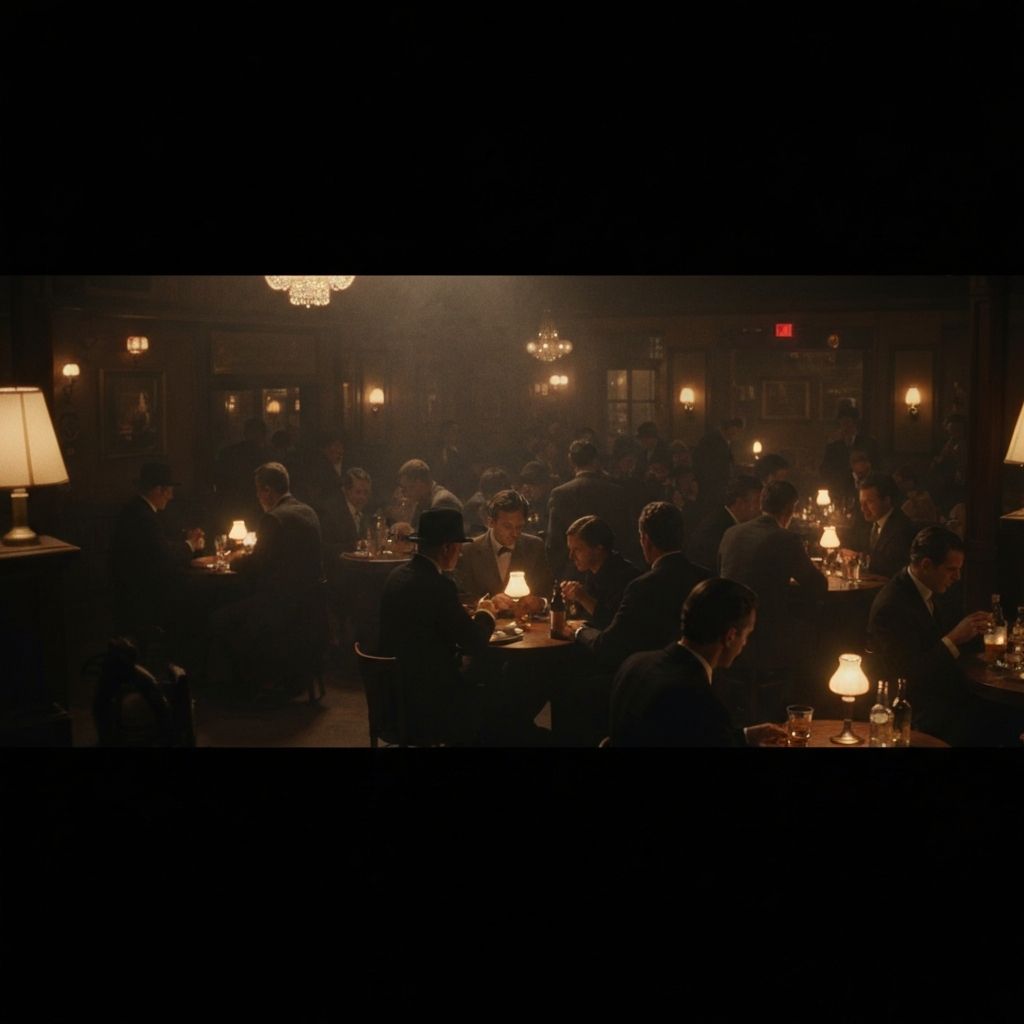
House rules
Four conditions the practice imposes on itself, in writing.
The refusals and insistences that determine which engagements are accepted and how they are conducted. Written here so that a principal can refer to them after the work is done.
The text is the work
The deliverable is the document, not the sequence of meetings that produced it. A memorandum is written to be read with attention, disagreed with in the margins, and returned to when the facts change. Every conversation during an engagement is in service of the text, and not the other way around.
Short where short will serve
Length is a cost paid by the reader. A five-page memorandum that resolves the question earns its place where a forty-page presentation would only surround it. The firm resists the instinct to inflate scope into the appearance of rigour.
Confidence kept
Material shared during an engagement is not repeated in pitch documents, public writing, anonymised anecdote, or the private conversations of the firm. Discretion is not a clause to be negotiated into an engagement letter. It is the condition under which the practice functions.
Signed, never ghostwritten
Every memorandum carries the name of the person who drafted it. If a conclusion proves wrong in twelve months, there is no project team to stand behind. That exposure is what keeps the writing honest in the first place.
If there is a question in hand.
First exchanges are held in confidence and commit neither party. Where the firm is not the right fit, it will say so in the same correspondence rather than leave the matter open.